


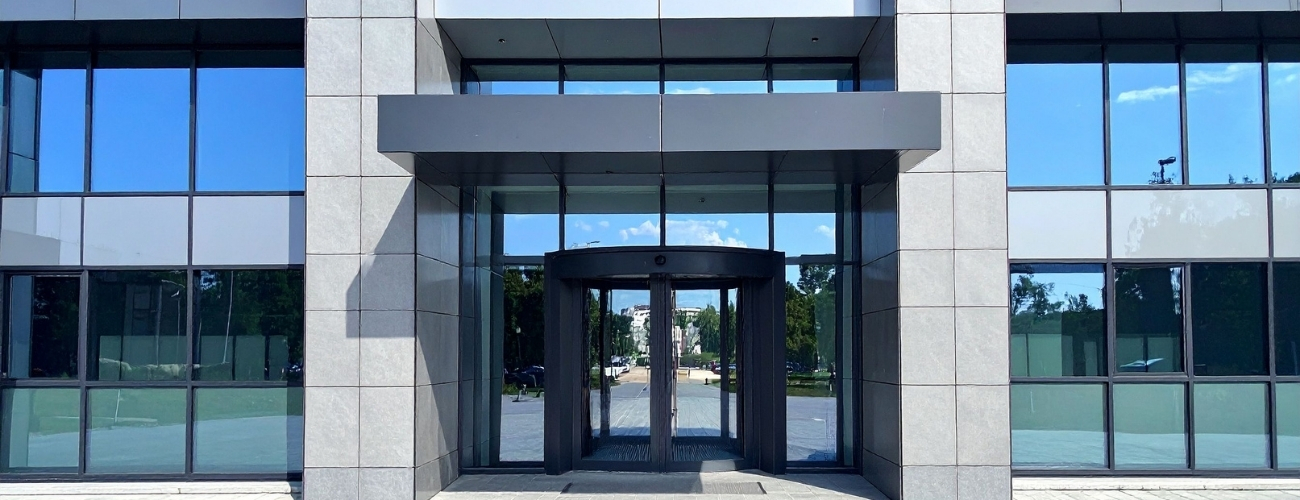
Commercial property ownership can be a powerful long-term investment strategy, providing stable income streams and significant capital growth. However, owning commercial property also exposes investors and businesses to a wide range of risks. Structural damage, tenant liability, environmental hazards and operational disruptions can all create substantial financial consequences if they are not managed effectively.
Understanding commercial property insurance in Australia therefore requires more than simply purchasing a policy. It requires a structured approach to risk governance – the process of identifying, assessing and managing risks associated with a property asset before they escalate into costly incidents.
At LA Insurance, we work with property owners, investors and businesses across Australia to help them develop insurance strategies that align with their broader risk management objectives. Our experience consistently shows that the most resilient commercial property portfolios combine proactive risk governance with carefully structured insurance coverage.
Why Commercial Property Insurance Should Be Part of a Risk Governance Strategy
Commercial properties often carry more complex risk exposures than residential assets. Warehouses, retail centres, office buildings and mixed-use developments may involve multiple tenants, specialised equipment, public access areas and higher foot traffic. Each of these factors introduces additional risks that property owners must manage.
This is where commercial property insurance in Australia becomes an essential component of risk governance. Rather than viewing insurance as a standalone product, property owners should consider how their insurance coverage supports a broader strategy of asset protection.
Risk governance encourages property owners to identify potential threats before they occur. These may include structural deterioration, safety hazards within shared spaces, fire risks associated with tenant operations or environmental exposures such as storms and flooding.
By understanding these risks in advance, property owners can implement preventative measures while ensuring their insurance coverage aligns with the specific exposures associated with their property.
Environmental and Structural Risks in Commercial Property Insurance Australia
Environmental risk represents one of the most significant threats to commercial property assets. Australia’s exposure to severe weather events such as storms, flooding and bushfires can lead to extensive structural damage and prolonged business disruption.
According to the Insurance Council of Australia, extreme weather events have resulted in tens of billions of dollars in insured losses across Australia in recent decades, highlighting the increasing financial consequences of natural disasters for property owners (Insurance Council of Australia, 2023).
For commercial property owners, the impact of environmental damage can extend beyond repair costs. Businesses operating within the building may be forced to suspend operations, tenants may seek rent relief, and reputational damage can affect long-term occupancy rates.
Comprehensive commercial property insurance typically provides protection against structural damage caused by insured events such as fire, storms or accidental damage. However, the level of coverage and specific policy definitions can vary significantly between insurers, making professional advice particularly valuable when structuring insurance programs.
Liability Risks and Commercial Property Insurance Australia
Liability exposure is another major risk category for commercial property owners. Properties that accommodate businesses, customers or members of the public introduce a wide range of potential injury risks.
Incidents such as slips and falls, unsafe building infrastructure or poorly maintained common areas can lead to legal claims against the property owner. These claims may involve compensation for medical costs, lost income and legal defence expenses.
For commercial property owners, liability claims can be particularly significant due to the higher volume of visitors and the complexity of tenant arrangements.
Most commercial property insurance policies in Australia include public liability protection designed to cover these risks. However, effective risk governance also requires property owners to maintain safe premises and regularly review maintenance procedures.
Routine inspections, documented maintenance programs and compliance with building safety standards can significantly reduce liability exposure.
Business Interruption and Commercial Property Insurance Australia
Commercial properties are closely linked to business activity. When a building suffers damage, the resulting disruption can affect both property owners and tenants.
If a commercial property becomes temporarily unusable due to an insured event, tenants may be unable to operate their businesses. This can result in lost rental income for the property owner and financial losses for the tenant.
Many commercial property insurance policies in Australia include business interruption or loss-of-rent coverage designed to protect property owners during these periods of disruption.
However, the duration and scope of this coverage vary between policies. Some policies cover rental income for limited periods, while others provide broader protection depending on the circumstances of the loss.
Carefully reviewing these policy provisions ensures that insurance protection aligns with the financial realities of operating a commercial property.
Underinsurance, Rising Construction Costs and the Co-Insurance Clause
Underinsurance is one of the most underestimated risks in commercial property ownership. Many property owners assume that if their insured value appears broadly aligned with the building’s market value, they are adequately protected. In reality, insurance policies are based on reinstatement value – the cost required to fully rebuild the property – rather than its market value. When these figures diverge, a significant protection gap can emerge.
This gap has widened considerably in recent years due to rapidly increasing construction costs. According to the Australian Bureau of Statistics, prices received by building construction businesses increased 31.1 per cent between September 2020 and June 2024. Over the same period, prices for non-residential building construction rose by 27.1 per cent, reflecting substantial increases in materials, labour and project delivery costs (Australian Bureau of Statistics, 2024).
For commercial property owners, this trend creates a significant risk. If insurance coverage has not been updated to reflect rising rebuilding costs, the insured value of the building may fall well below the amount required to reconstruct it following a major loss.
However, the financial consequences of underinsurance can extend beyond the simple shortfall between the insured amount and the rebuilding cost. Many commercial property policies include what is known as a co-insurance clause, sometimes referred to as an average clause. This provision is designed to discourage policyholders from deliberately undervaluing assets to reduce insurance premiums.
Under a typical co-insurance clause, insurers may require a property to be insured for a specified proportion of its full replacement value – commonly around 80 per cent. If the insured value falls below this threshold, the insurer may reduce the claim payout proportionally.
To illustrate how this works, imagine a commercial building with a true replacement value of $10 million that is insured for only $6 million. Even if the damage from a fire or storm amounts to $2 million – well below the insured amount – the insurer may apply the co-insurance formula and pay only a portion of the claim. The remaining costs would need to be funded by the property owner.
This mechanism means that underinsurance can reduce claim payouts even when the loss itself appears to be within policy limits. Importantly, the same principle may apply not only to buildings but also to contents, plant, equipment and stock, meaning that businesses operating within the property may also face reduced claim settlements if these assets are undervalued.
From a risk governance perspective, this is why commercial property insurance in Australia should be reviewed regularly. Rising construction costs, tenant fit-outs and compliance upgrades can all change the true replacement value of a property over time. Periodic insurance reviews and professional rebuilding valuations help ensure that coverage remains aligned with current costs and that property owners avoid the financial consequences of underinsurance.
At LA Insurance, we often find that property owners assume their policies automatically adjust to reflect changes in rebuilding costs. In reality, unless policies are actively reviewed and updated, insured values may gradually fall behind market conditions – increasing the likelihood that co-insurance provisions will apply when a claim occurs.
The Role of Professional Advice in Commercial Property Insurance Australia
Commercial property insurance policies can be complex, particularly when properties involve multiple tenants, specialised equipment or unique building structures.
Differences in policy wording, exclusions and coverage limits can significantly affect the level of protection provided. Without professional guidance, property owners may unknowingly hold policies that leave them exposed to financial risk.
At LA Insurance, we work closely with commercial property owners to evaluate the unique risks associated with their assets. This includes assessing property location, tenant activity, structural characteristics and regulatory requirements.
By aligning insurance coverage with these risk factors, property owners can ensure that commercial property insurance in Australia functions as part of a comprehensive asset protection strategy rather than simply a compliance requirement.
Frequently Asked Questions About Commercial Property Insurance Australia
What does commercial property insurance cover in Australia?
Commercial property insurance typically covers structural damage to buildings, liability claims involving third parties and financial losses resulting from business interruption or property damage.
Is commercial property insurance mandatory in Australia?
Commercial property insurance is not legally mandatory in most cases. However, lenders and lease agreements often require property owners to maintain adequate insurance coverage.
Does commercial property insurance cover tenant damage?
Some policies provide coverage for damage caused by tenants, although the extent of protection depends on the specific policy wording and insurer.
How often should commercial property insurance be reviewed?
Insurance coverage should ideally be reviewed annually or whenever significant changes occur to the property, such as renovations, changes in tenant operations or increases in rebuilding costs.
References
Insurance Council of Australia. (2025). Insurance Catastrophe Resilience Report 2024-25. Available at: https://insurancecouncil.com.au/wp-content/uploads/2025/10/21340_ICA_CAT-Report_2025_Final-spreads.pdf Australian Bureau of Statistics. (2025). ‘Climate change, home values and underinsurance’. Available at:
https://australiainstitute.org.au/wp-content/uploads/2025/03/Climate-change-home-values-and-underinsurance-Web.pdf